THE ADVENTURE COLLECTIVE® · Independent discovery and booking for outdoor travel

Ride an e-bike to the rim of Dead Horse Point and watch the Colorado Plateau go incandescent. This private sunset tour pairs guided bike instruction with sweeping 2,000-foot overlooks—ideal for riders who want dramatic views without technical pressure.
Ride an e-bike to the rim of Dead Horse Point and watch the Colorado Plateau go incandescent. This private sunset tour pairs guided bike instruction with sweeping 2,000-foot overlooks—ideal for riders who want dramatic views without technical pressure.
The sun tilts low and the canyon clamps its shadows into long, geometric fingers. You pedal toward the rim on a quietly humming e-bike, the trail crunching under tires as the horizon ignites: mesas flare orange, the Colorado River threads silver far below, and Dead Horse Point stretches like a carved amphitheater daring you to stay until dark.
Verified experiences and guided adventures in the surrounding area.
Operated by Bighorn Mountain Biking · Moab, Utah
The sun tilts low and the canyon clamps its shadows into long, geometric fingers. You pedal toward the rim on a quietly humming e-bike, the trail crunching under tires as the horizon ignites: mesas flare orange, the Colorado River threads silver far below, and Dead Horse Point stretches like a carved amphitheater daring you to stay until dark.
Dead Horse Point sits on the Colorado Plateau where wind and water have been chiseling rock for millions of years. The park’s sheer cliffs—some two thousand feet above the river—offer one of the most dramatic sunset perches in the American West. The name comes from a 19th-century tale of cowboys who, according to local accounts, herded wild mustangs onto the point and corralled them there; the story is part cautionary history, part folklore, and reminders of the area’s human footprint linger in petroglyphs and old ranching routes.
Geologically, you ride across layers of Navajo and Wingate sandstones—hard, cross-bedded slabs that shed rain quickly but provide confident traction when dry. Culturally, Moab earned its mountain-biking reputation on these slickrock mesas, and Dead Horse Point has become a sunset stage for riders who want dramatic views without technical consequence. The private nature of this tour means guides tune routes to your skill level: a novice can linger on graded rims while stronger riders can explore more punchy singletrack.
Practicalities arrive with the light: e-bikes extend reach and make climbs less punishing, but battery and daylight are finite. Guides provide helmets and instruction, and the tour runs about three hours—enough time to learn the bike, push out to overlooks, and watch the canyon change color. Expect variable temperatures; desert evenings cool quickly after sunset. Park access is via SR‑313 and requires the park entry fee, which is typically paid at the gate.
For planning: arrive hydrated and with a charged phone; bring a small pack for layers and water. Wear grippy shoes—trail runners or flat-soled mountain bike shoes work best—and gloves for confidence on descents. If you want the classic silhouette shots, ask your guide to time a stop at the main overlook when the sun is ten minutes from the horizon. And remember: while e-bikes smooth the climbing, the terrain still demands attention—loose rock, sandstone slab, and sudden crosswinds are part of the show.
By the time you roll back toward the trailhead the stars have begun to pop—big, bright points over a canyon that seems to keep its own weather. On an e-bike at Dead Horse Point, you don’t just watch the sunset; you move through it—part spectator, part traveler, and wholly present in a landscape that still tests the limits of motion and light.
Meeting is at the Mountain Biking Trailhead within Dead Horse Point State Park—follow SR‑313 signage and allow time for the park entry process.
Yes—bicycles are provided and guides will acclimate riders; beginners can join and routes are adjusted to group ability.
Booking questions ask for age bands and height; children typically need to meet specific size and maturity requirements—check with the operator when reserving.
No advanced experience required, but a moderate fitness level and basic bike-handling comfort are recommended.
Park entry is usually not included—pay at the Dead Horse Point gate or check your booking confirmation for details.
Cancel at least 24 hours before departure for a full refund; tours may be canceled for poor weather or insufficient travelers.
Bighorn Mountain Biking operates guided outdoor trips and adventures with an emphasis on safety, stewardship, and memorable experiences.
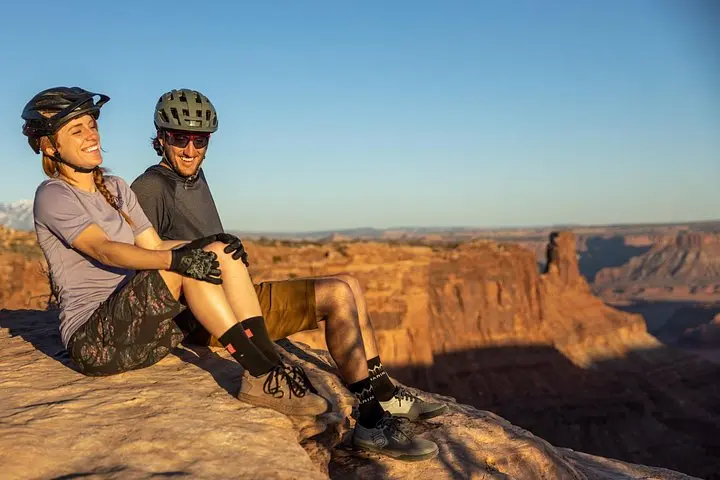
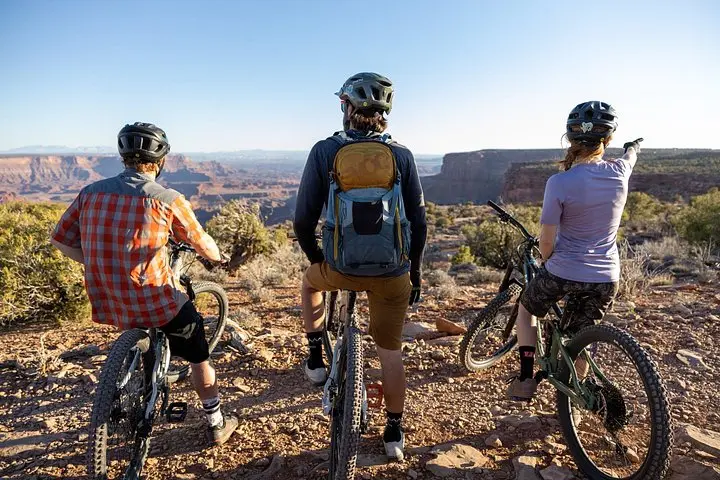
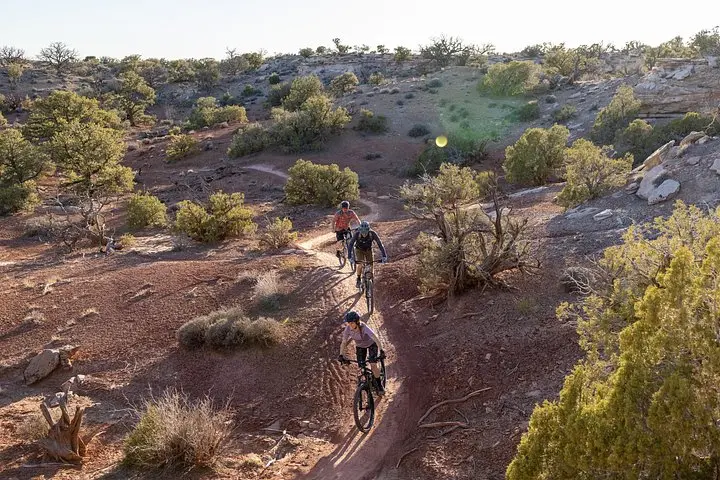
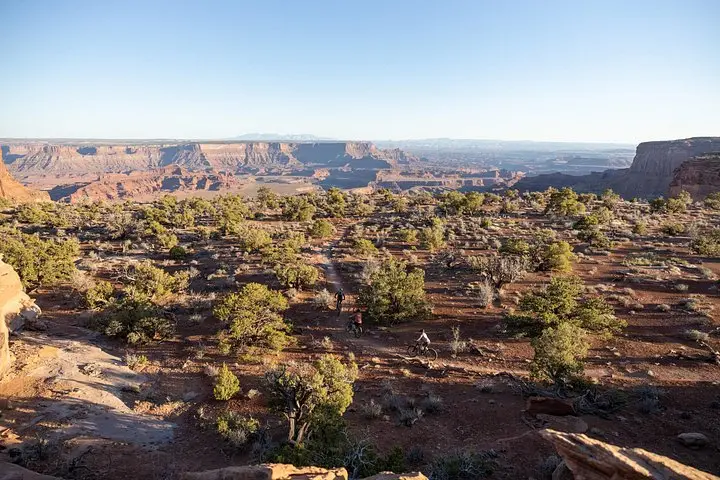
The sun tilts low and the canyon clamps its shadows into long, geometric fingers. You pedal toward the rim on a quietly humming e-bike, the trail crunching under tires as the horizon ignites: mesas flare orange, the Colorado River threads silver far below, and Dead Horse Point stretches like a carved amphitheater daring you to stay until dark.
The sun tilts low and the canyon clamps its shadows into long, geometric fingers. You pedal toward the rim on a quietly humming e-bike, the trail crunching under tires as the horizon ignites: mesas flare orange, the Colorado River threads silver far below, and Dead Horse Point stretches like a carved amphitheater daring you to stay until dark.
Dead Horse Point sits on the Colorado Plateau where wind and water have been chiseling rock for millions of years. The park’s sheer cliffs—some two thousand feet above the river—offer one of the most dramatic sunset perches in the American West. The name comes from a 19th-century tale of cowboys who, according to local accounts, herded wild mustangs onto the point and corralled them there; the story is part cautionary history, part folklore, and reminders of the area’s human footprint linger in petroglyphs and old ranching routes.
Geologically, you ride across layers of Navajo and Wingate sandstones—hard, cross-bedded slabs that shed rain quickly but provide confident traction when dry. Culturally, Moab earned its mountain-biking reputation on these slickrock mesas, and Dead Horse Point has become a sunset stage for riders who want dramatic views without technical consequence. The private nature of this tour means guides tune routes to your skill level: a novice can linger on graded rims while stronger riders can explore more punchy singletrack.
Practicalities arrive with the light: e-bikes extend reach and make climbs less punishing, but battery and daylight are finite. Guides provide helmets and instruction, and the tour runs about three hours—enough time to learn the bike, push out to overlooks, and watch the canyon change color. Expect variable temperatures; desert evenings cool quickly after sunset. Park access is via SR‑313 and requires the park entry fee, which is typically paid at the gate.
For planning: arrive hydrated and with a charged phone; bring a small pack for layers and water. Wear grippy shoes—trail runners or flat-soled mountain bike shoes work best—and gloves for confidence on descents. If you want the classic silhouette shots, ask your guide to time a stop at the main overlook when the sun is ten minutes from the horizon. And remember: while e-bikes smooth the climbing, the terrain still demands attention—loose rock, sandstone slab, and sudden crosswinds are part of the show.
By the time you roll back toward the trailhead the stars have begun to pop—big, bright points over a canyon that seems to keep its own weather. On an e-bike at Dead Horse Point, you don’t just watch the sunset; you move through it—part spectator, part traveler, and wholly present in a landscape that still tests the limits of motion and light.